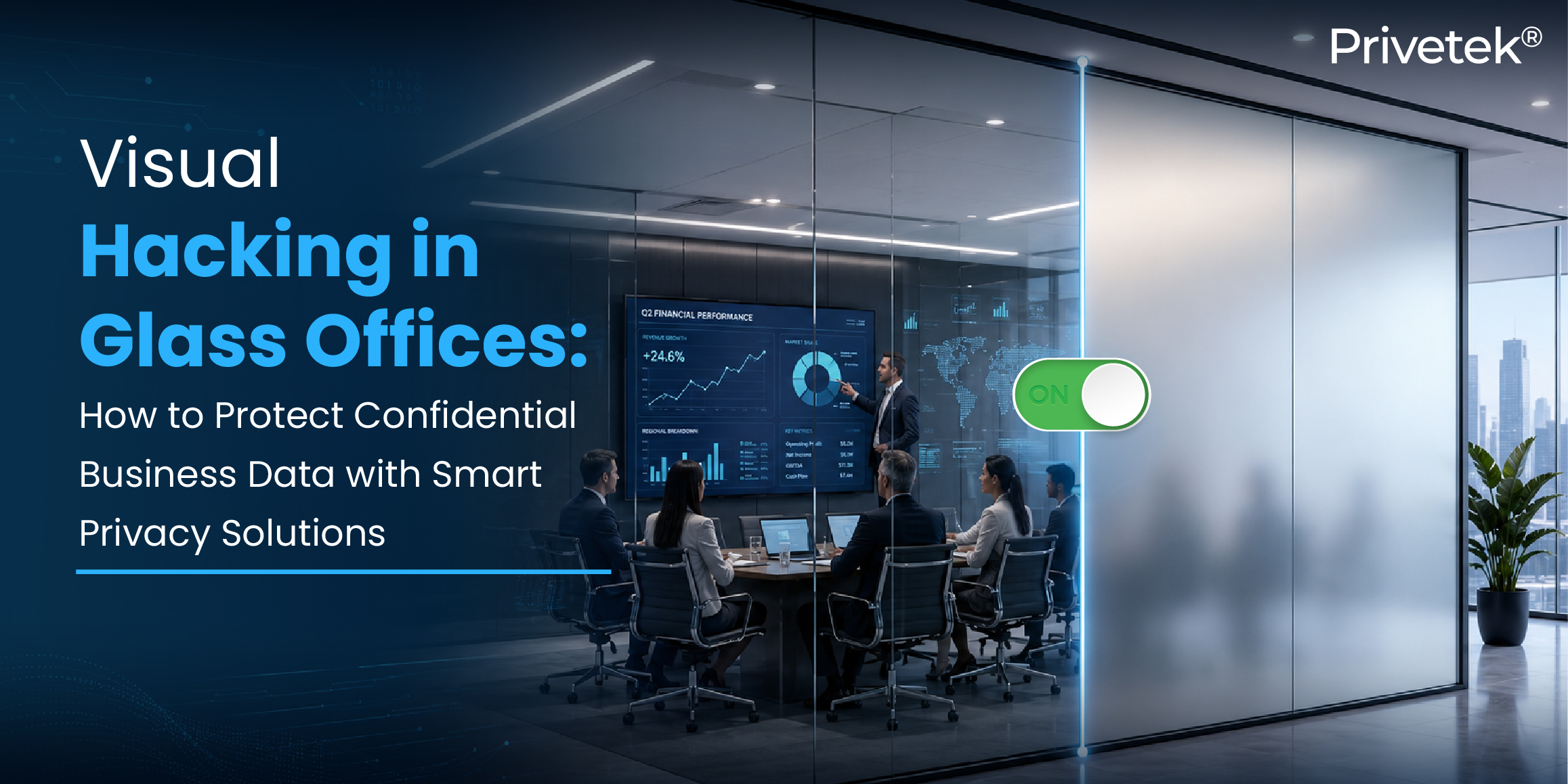

Switchable glass is no longer a niche high-end product, but it is a critical architectural component in all types of commercial office space, hospitals, hotel and resort projects, luxury residential developments and top-tier retail stores.
Along with increasing demand for switchable glass, there are growing concerns about a developing trend within the industry, purchasing smart glass products from local dealerships which cannot manufacture them as well as the required technology.
At first glance, the potential of lower prices and quick delivery may be very appealing; however, the majority of low-cost solutions provide serious issues that will directly impact the overall quality of your project, safety, durability, maintenance costs and ultimately the level of satisfaction you get from your clients.
Smart Glass Is Not Just Glass — It’s an Electronic Architectural System
Many buyers make the mistake of treating switchable glass as a standard glazing product. In reality, it is a highly engineered architectural system that combines:
- Advanced glass engineering
- PDLC technology
- Electronic integration
- Precision lamination processes
Smart Glass requires specialized manufacturing techniques, extensive testing, and expertise from engineers and technicians unlike other types of glass.
Architects and Developers will need to apply the same level of scrutiny for Smart Glass specifications as they do for all their critical building systems.
The Rise of the “Trader-Assembled” Smart Glass Market
With the increasing demand for smart glass, several local vendors have begun entering the marketplace as intermediaries rather than manufacturers.
Many of these companies will buy generic PDLC films from a third-party supplier and then create their own products without implementing proper quality controls. Commonly associated issues include:
- A lack of clean room manufacturing facilities
- Limited equipment or production capacity
- A limited number of high-precision machining tools
- Some form of testing process but very minimal
- Lacking certification on the manufacturing process
“Technical infrastructure in smart glass manufacturing isn’t optional – it is what makes a product reliable.”
Therefore, although the product may function correctly at first, it will usually lack both the stability and durability needed for long-term architectural applications.
The Biggest Risk: No Real Technical Ownership
One of the most significant risks of buying from traders is the absence of technical accountability.
Many traders do not possess:
- Manufacturing capabilities
- Engineering expertise
- Diagnostic support teams
- Product development knowledge
When issues arise after installation, such as:
- Delamination
- Electrical failures
- Uneven opacity
- Edge bubbling
Clients are often left without meaningful technical support.
Real-World Impact
The consequences can include:
- Project delays
- Expensive replacements
- Client dissatisfaction
- Damage to architect and contractor reputations
When a supplier has no technical investment in production, accountability often disappears the moment problems begin.
Uncertified Smart Glass Creates Hidden Safety & Performance Risks
Switchable glass is not just an architectural product; it is also an electrical system integrated within glass.
This makes certification extremely important.
Why Certification Matters
Certifications typically validate:
- Electrical safety
- UV resistance
- Moisture protection
- Optical consistency
- Long-term durability
Risks of Uncertified Systems
Products lacking proper certification may experience:
- Short circuits
- Yellowing over time
- Ghosting effects
- Uneven transparency
- Film degradation
- Moisture ingress
“If a display panel looks good but does not perform well in the environment you are using it in, then the visual appeal of that panel will be irrelevant."
Certification for durability in the field will also become unreliable; this can negatively affect performance over time.
Why Clean-Room Manufacturing Matters
The quality of switchable glass begins long before installation.
Professional smart glass production requires:
- Dust-free clean-room environments
- Precision lamination equipment
- Temperature-controlled processing
- Accurate busbar integration
Risks of Uncertified Systems
Manufacturing in uncontrolled environments can result in:
- Trapped dust particles
- Visible bubbles
- Optical distortion
- Poor edge sealing
- Inconsistent panel performance
Manufacturing flaws in smart glass may cause significant loss of aesthetic value as well as performance.
Smart glass quality is produced at the time of manufacture and not upon installation.
Read: Is Switchable glass Worth It in 2026?
Smart Glass Requires Engineering Knowledge — Not Just Glass Supply
Successful implementations of Smart Glass require expert knowledge from engineers, not merely access to products.
Critical Technical Areas
- Busbar positioning
- Power supply calculations
- Wiring integration
- Transformer compatibility
- Panel sizing limitations
- Voltage distribution
Why It Matters
Improper technical planning can lead to:
- Uneven switching
- Panel flickering
- Electrical failures
- Overheating risks
Every Smart Glass Panel Is an Electrical Component
Most importantly, you should view architectural smart glass as both an electrical component and a type of glazing product. As such, without adequate engineering supervision during installation, problems in performance are much more likely than if there were adequate supervision.
What Happens After Installation Matters Most
After installation, many vendors do little or nothing to assist with their product and have very few resources available to them for assistance after the project has been completed.
These limitations can present several challenges to the consumer, including:
- The vendor does not typically produce the product
- The vendor will typically not possess knowledge of how to troubleshoot a problem
- The vendor cannot perform diagnostic tests on the systems
- The vendor lacks knowledge of how systems are integrated
Why Support Matters
Architectural smart glass projects require:
- Installation guidance
- Electrical coordination
- Maintenance recommendations
- Troubleshooting support
- Warranty servicing
True manufacturers remain involved long after delivery and installation.
The “Lower Price” Myth
Lower upfront pricing can be tempting, but the total cost of ownership often tells a different story.
Hidden Costs of Cheap Alternatives
- Replacement panels
- Labor expenses
- Downtime
- Electrical rework
- Interior reconstruction
- Façade disruption
- Project delays
“The lowest cost smart glass will become your highest expense."
A cheaper purchase price will likely be far outweighed by future costs to replace and repair the product.
Why Privetek Is Different
Engineered, Certified, and Built for Architectural Performance
Privetek is not a trader. We at Privetek engineers and delivers architectural smart glass systems designed for long-term performance.
Technical Strengths
- Specialized manufacturing machinery
- Controlled production environments
- Certified systems
- Architectural-grade quality standards
- Dedicated technical expertise
Innovation Through Engineering
Privetek's innovation through engineering solutions like titan-curve represents Privetek's continued investment in advanced smart glass innovation. Privetek is committed to investing resources into:
Privetek continually invests in:
- Infrastructure
- Research and development
- Product testing
- Lifecycle reliability
We are invested in our products, since our reputation is based on how well every panel we sell will perform over its life cycle
What You Should Ask Before Choosing a Smart Glass Supplier
Before selecting a supplier, architects and developers should ask:
Supplier Evaluation Checklist
Are suppliers manufacturers of products or only traders who sell manufactured items?
- Has the product been certified by a third party?
- Does the manufacturer have a 'clean room' facility?
- What type of warranty does the manufacturer provide?
- Does the manufacturer supply technical installation support for their products?
- Have the manufacturers provided photos and examples of previous architectural projects that they have completed?
- Does the manufacturer understand electrical integration requirements?
The right questions help protect both your design vision and your client’s investment.
Smart Glass Is a Long-Term Architectural Investment
When designers purchase switchable glass, they do not just buy a product. They invest in a set of values:
- Reliable
- Tech-precise
- Safe to use
- Fits operational needs
- Gives their clients an excellent experience
If you are looking for a way to save money on your project by using locally-sourced (uncertified) materials supplied by untested vendors, then this could be an option. However, these types of options bring with them many long-term risks.
Projects which value quality, dependability, design and architecture will find that engineered & certified smart glass solutions provide both longer-term advantages as well as higher safety standards compared to cheaper alternatives.
Final Thought
Look for a switchable glass vendor who can provide you with technical know-how in addition to delivering products that have been vetted through third-party testing. Look for a switchable glass supplier who has proven themselves over time to deliver on all promises. That is what separates buying a product from making a long-term investment in results.
Related Blogs